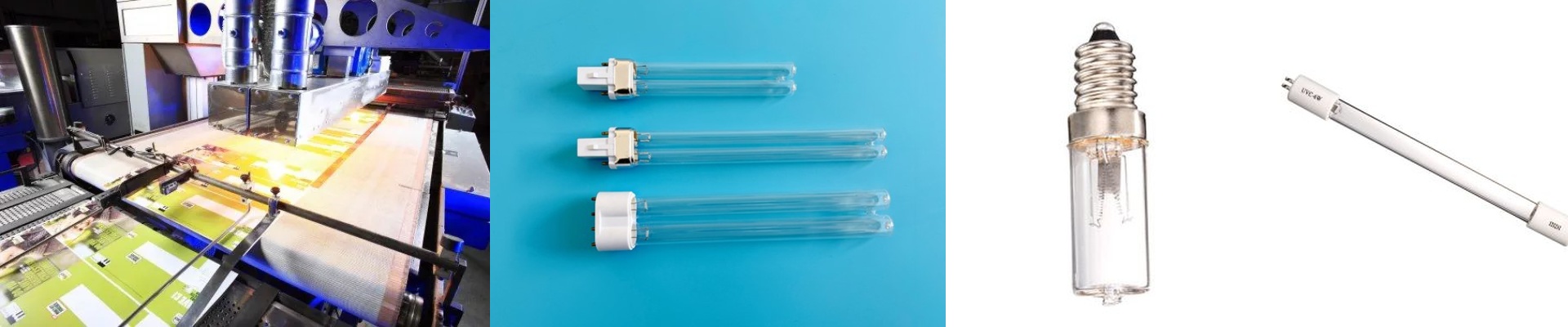
On the press, downtime for lamp swaps or a weak cure isn’t just an inconvenience. It’s scrapped stock and lost uptime, plain and simple. With Fusion systems, the reflector geometry is what actually decides how much of the mercury-vapor output gets delivered to the web. หากเกิดการหยุดการผลิตเพื่อเปลี่ยนหลอดไฟหรือการบ่มที่ไม่สมบูรณ์บนเครื่องพิมพ์ ไม่ใช่แค่ความไม่สะดวกเท่านั้น แต่หมายถึงการสูญเสียวัตถุดิบที่ถูกทิ้งและเวลาการทำงานที่เสียไปอย่างชัดเจน ในระบบ Fusion รูปทรงของรีเฟลกเตอร์เป็นตัวกำหนดปริมาณแสงจากไอปรอทที่ส่งไปยังวัสดุที่ผ่านเครื่อง
If that reflector is even slightly out of tolerance, peak irradiance drops. Photoinitiators don’t fully cross-link, and you end up chasing adhesion and cure-through by running slower. หากรีเฟลกเตอร์ผิดเพี้ยนแม้เพียงเล็กน้อย ความเข้มแสงสูงสุดจะลดลง ทำให้โฟโตอินิเอติเตอร์ไม่สามารถเกิดปฏิกิริยาเชื่อมโยงข้ามได้เต็มที่ ส่งผลให้ต้องลดความเร็วการทำงานเพื่อติดตามปัญหาการยึดเกาะและการบ่มลึก
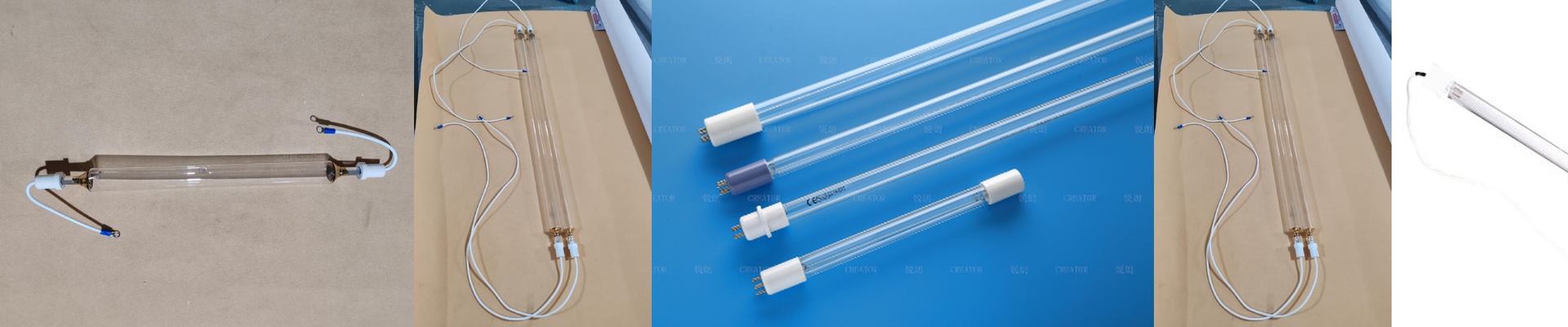
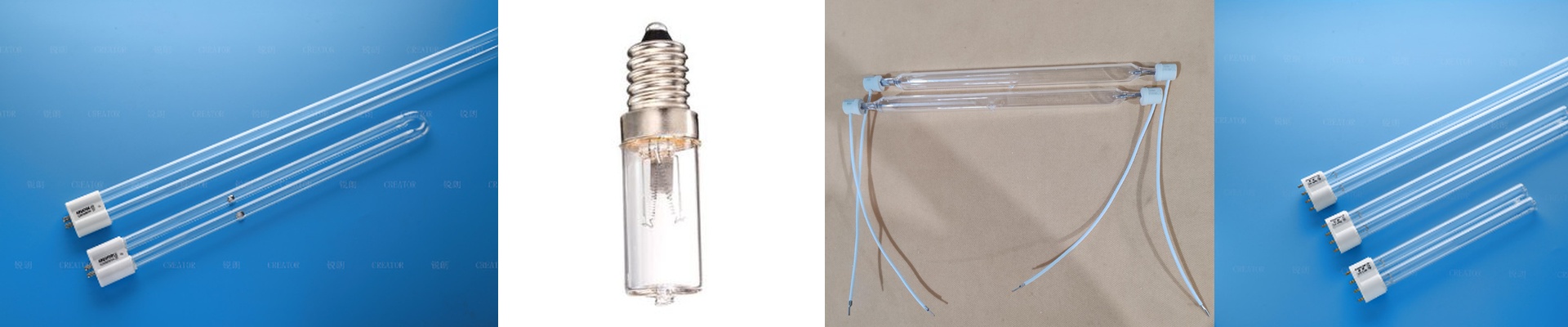
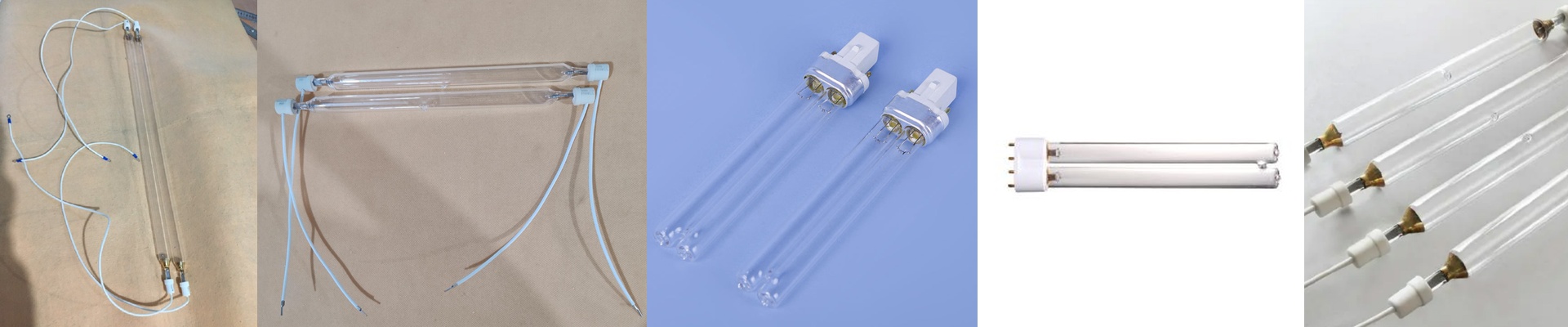
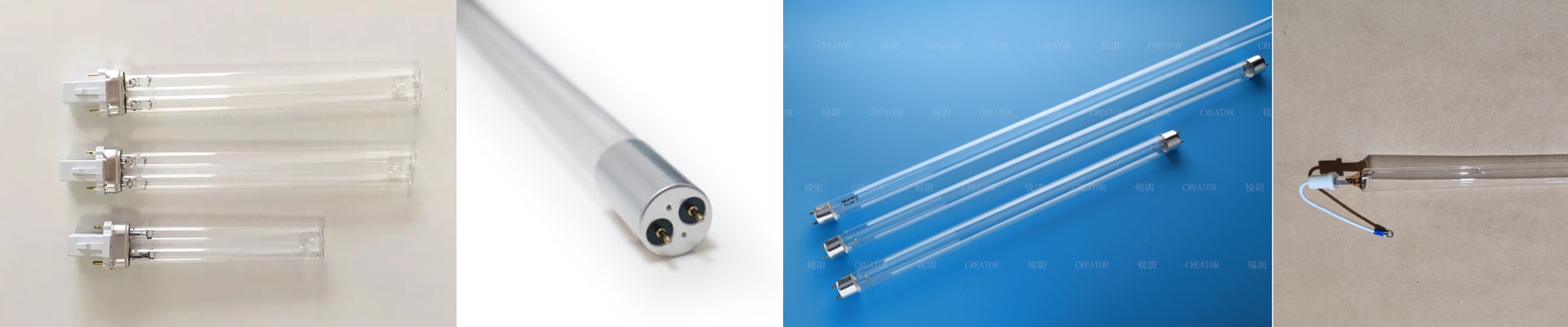
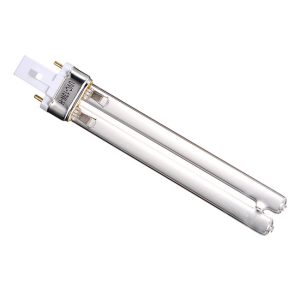
Our replacement UV lamp for Fusion is built around a reflector-matched arc profile and a dichroic coating strategy that leans hard on the dominant 365nm and 395nm bands most offset, flexo, and screen UV inks rely on. The payoff is a tighter, higher-density spot and better energy utilization across the entire arc length. หลอด UV ทดแทนสำหรับ Fusion ถูกออกแบบโดยใช้รูปทรงโค้งที่ตรงกับรีเฟลกเตอร์ พร้อมการเคลือบแบบไดโครอิคที่เน้นไปยังช่วงความยาวคลื่นหลักที่ 365nm และ 395nm ซึ่งหมึก UV ประเภทออฟเซ็ต เฟล็กโซ และสกรีนส่วนใหญ่พึ่งพา ผลลัพธ์ที่ได้คือจุดแสงมีความกระชับและหนาแน่นขึ้น พร้อมการใช้พลังงานที่มีประสิทธิภาพทั่วความยาวโค้งทั้งหมด
Measured at the substrate plane, you get stable irradiance and faster dose accumulation. That means you can run higher line speeds without cranking up lamp power. เมื่อวัดที่พื้นผิววัสดุ จะได้ความเข้มแสงที่คงที่และการสะสมโดสเร็วขึ้น ซึ่งหมายความว่าสามารถเพิ่มความเร็วสายการผลิตโดยไม่ต้องเพิ่มกำลังไฟของหลอด
Here’s why it works in practice: you get more usable photon flux per watt, which cuts energy per part and reduces thermal load on the substrate. Lifetime is engineered to 5,000+ hours, with controlled spectral decay that keeps output inside the ink vendor’s photoinitiator absorption window longer. เหตุผลที่มีประสิทธิภาพในทางปฏิบัติคือ จะได้โฟตอนฟลักซ์ที่ใช้ได้ต่อวัตต์มากขึ้น ซึ่งช่วยลดพลังงานต่อชิ้นงานและลดภาระความร้อนบนวัสดุ อายุการใช้งานออกแบบไว้ที่มากกว่า 5,000 ชั่วโมง พร้อมการเสื่อมสเปกตรัมที่ควบคุมได้ ช่วยให้แสงที่ออกมาอยู่ในช่วงการดูดกลืนของโฟโตอินิเอตเตอร์ของผู้ผลิตหมึกได้นานขึ้น
Compared with standard replacements, the combination of reflector optimization and lamp engineering cuts unplanned stops, trims maintenance labor, and lowers total cost of ownership. เมื่อเทียบกับหลอดทดแทนทั่วไป การปรับแต่งรีเฟลกเตอร์ควบคู่กับวิศวกรรมหลอดไฟช่วยลดการหยุดเครื่องโดยไม่คาดคิด ลดเวลาการบำรุงรักษา และลดต้นทุนรวมในการเป็นเจ้าของ
A few shop-floor pointers. คำแนะนำเล็กน้อยสำหรับชั้นผลิต
Install the lamp with the correct arc orientation and confirm reflector alignment. Even a small angular error scatters intensity and wipes out the efficiency gains. ติดตั้งหลอดโดยให้โค้งห่างถูกต้องและตรวจสอบการจัดตำแหน่งรีเฟลกเตอร์ การคลาดเคลื่อนเพียงเล็กน้อยในมุมจะทำให้ความเข้มแสงสลายและทำลายประสิทธิภาพที่ได้รับ
Verify your power supply and shutter interface match the lamp’s electrical and thermal requirements. ตรวจสอบให้แน่ใจว่าแหล่งจ่ายไฟและอินเทอร์เฟซชัตเตอร์ตรงกับข้อกำหนดทางไฟฟ้าและความร้อนของหลอดไฟ
For high-pigment or thick-layer inks, confirm the spectral balance still lines up with the photoinitiator absorption. If needed, specify the 395nm-enhanced variant to improve surface cure without hurting through-cure. สำหรับหมึกที่มีปริมาณเม็ดสีสูงหรือชั้นหนา ให้ยืนยันว่าสมดุลสเปกตรัมยังเข้ากันได้กับการดูดซับของโฟโตอินิเอตเตอร์ หากจำเป็น ให้ระบุรุ่นที่เพิ่มช่วง 395nm เพื่อปรับปรุงการบ่มผิวโดยไม่ส่งผลเสียต่อการบ่มลึก