



The Real Deal on Industrial Quartz UV Lamps
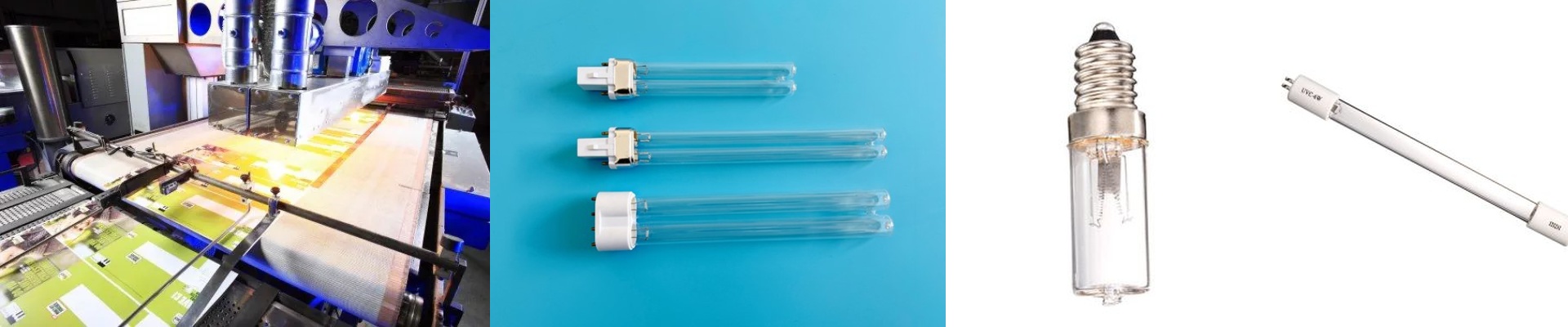
Let’s be honest: UV curing is a lot more than just “drying ink.” When you’re running a serious production line, you’re basically using light as a tool to force a chemical reaction. It’s a precise science, and if your lamps aren’t up to the task, your whole process falls apart.
Why the glass actually matters
We use high-purity fused quartz for our tubes. Why? Because standard glass is basically a wall that blocks UV rays. Quartz, on the other hand, lets them fly right through. If you want that UVC/UVB punch, you can’t cut corners here. Then there’s the thickness. It’s a bit of a balancing act. If the wall is too thin, the tube will crack the moment it hits a rapid heat cycle. But if it’s too thick? You lose that intensity you’re paying for. We’ve spent a lot of time finding that sweet spot so your tubes don’t just burn out in the middle of a 24/7 run.
Speed, power, and the “striping” headache
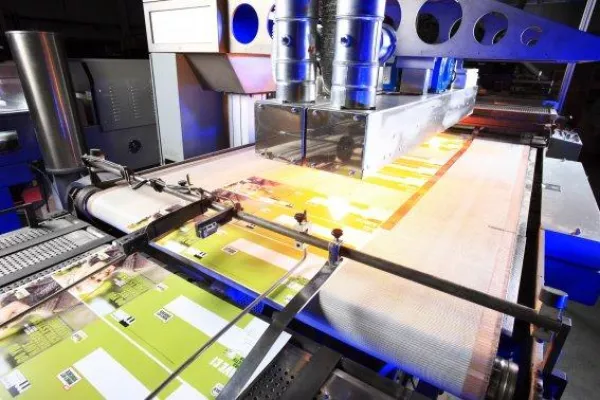
When you’re picking out lamps, keep an eye on the wattage-to-length ratio. That’s what decides how fast your line can move. More power means you can crank up the speed, but it also puts a lot more stress on your reflectors. Here’s a pro tip: always buy your tubes in wholesale batches. If you mix and match lamps from different production lots, you’ll likely see “striping” on your finished product. It happens because the UV output varies slightly between batches. Sticking to one single lot means you get a uniform cure across the entire conveyor. No surprises, no rejects.
Dealing with the heat
High-output lamps get hot. Like, really hot. They pump out a massive amount of infrared heat right along with the UV radiation. You can’t just ignore that. If your cooling fans or water-jackets aren’t built for that kind of load, you’re going to warp your materials or fry your electrodes. Before you wire up a high-wattage array, double-check your airflow. It’s a five-minute check that saves you from a total system failure later.