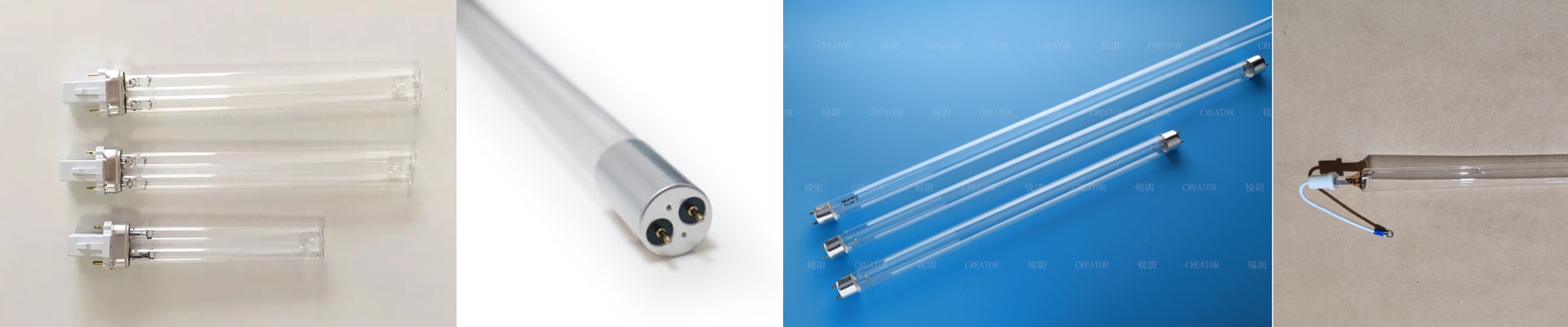
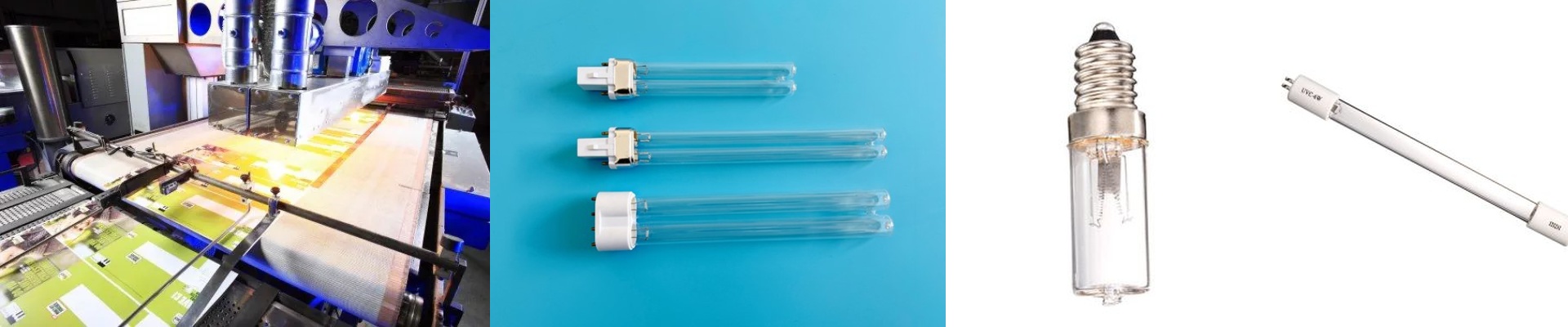
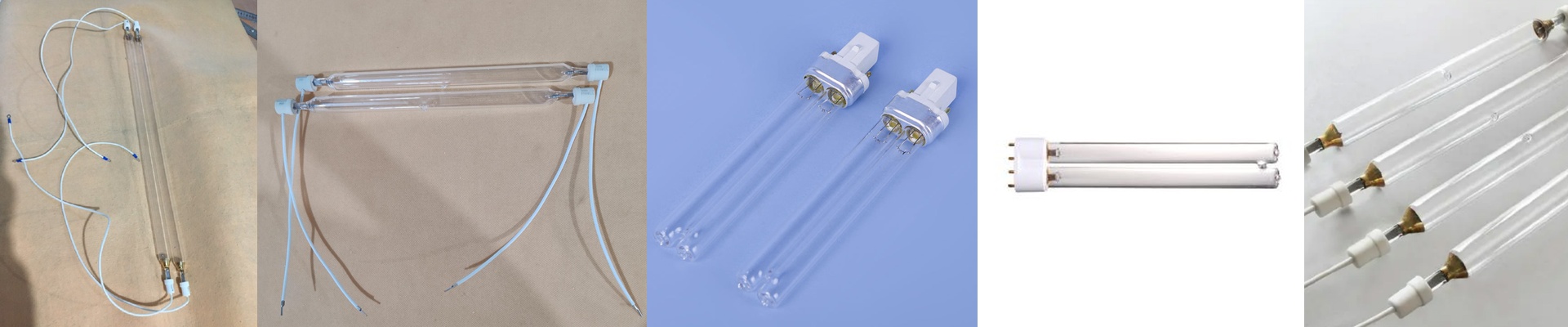
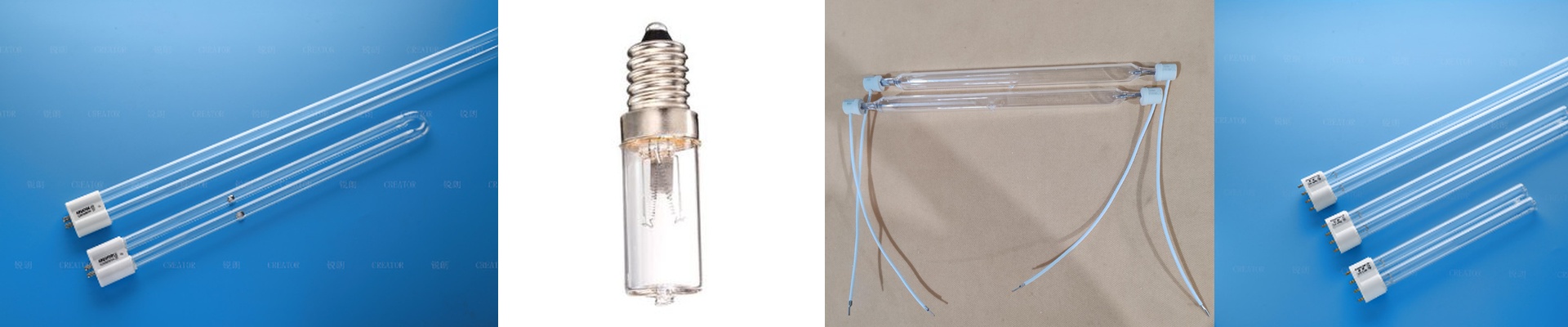
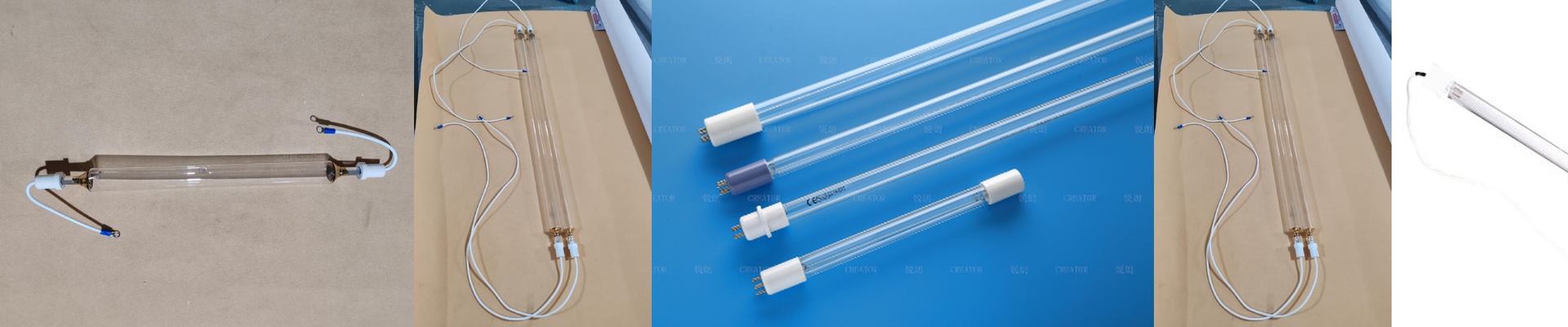
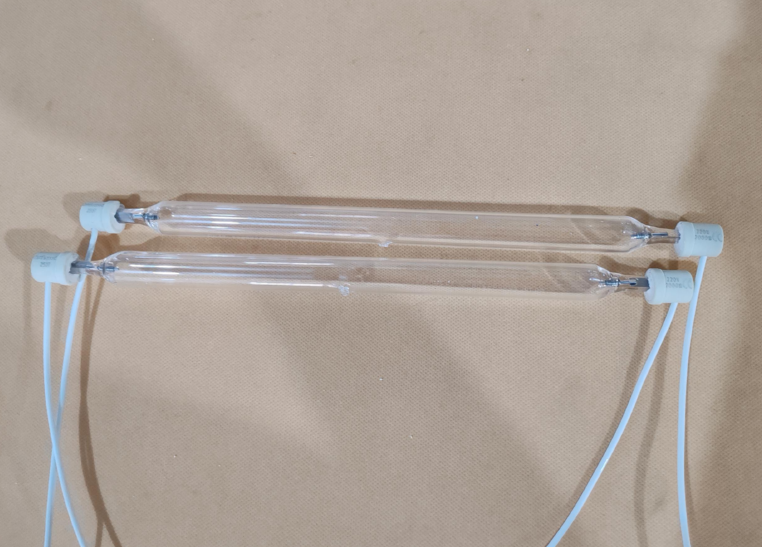
On the press floor, a cure miss doesn’t just slow you down—it scraps the job. When the line has to run wide open, the UV lamp has to hit peak irradiance the instant you need it, not after a long thermal ramp. That’s where low-thermal-inertia cathode design earns its keep. Our high-intensity mercury UV tubes use engineered cathodes built to resist fatigue, so you can run tens of thousands of rapid flash cycles without the performance drop that thermal stress and emitter poisoning will otherwise force on you. What matters under the hood These lamps are built around a stable mercury vapor discharge, with spectral output centered at 365nm—the wavelength most photoinitiators in offset, flexo, and screen inks bite into cleanly. We spec electrodes and supports that keep stored heat low, so the arc stabilizes fast and the reflector assembly sees even temperature across the board. You get high peak irradiance at the substrate plane—measured in mW/cm²—and stable output over life. Units can run 5,000+ hours with less than 5% drop. The payoff is repeatable curing energy density (mJ/cm²) across the sheet, even at 300–600m/min. Why it plays where you need it In offset, a fast start means less waste on the first signatures and consistent cure across the blanket. In flexo, the low thermal load is kinder to thin films and sleeves, while the 365nm output drives through-cure without surface inhibition. In screen, the high peak irradiance clears thick deposits and pigmented layers, so you get sharp dot definition and adhesion that sticks. You end up with faster cycle times, fewer lamp-related stoppages, and lower energy draw per cured meter because the system spends less time idling at full power. Field-level details to get right Match lamp length, arc gap, and reflector geometry to the printer’s UV module. Mismatched reflectors waste irradiance and create hot spots you’ll see in the work. Verify power supply compatibility and connector type before you install—no surprises on pull-through. These mercury tubes deliver strong output at 365nm, but they still need proper cooling and must be handled per ozone-free protocols. And if you push wall load beyond the rated window, life shortens fast—stay within spec.